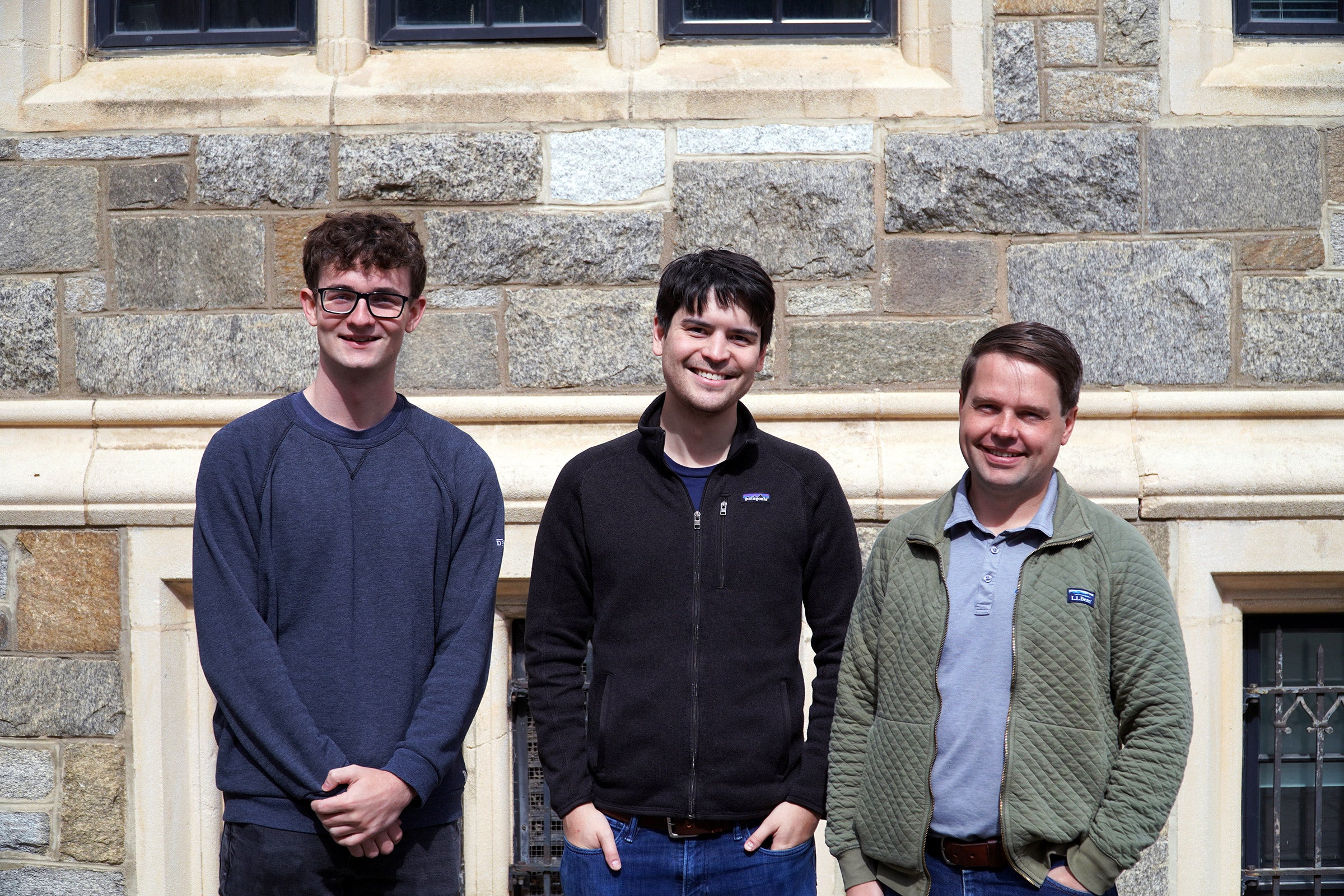
We believe that computer science isn’t studied in a vacuum—it is intentionally woven into the fabric of global politics, ethics, and society. By anchoring technical excellence in our Jesuit heritage of cura personalis, we don’t just train students to build powerful technology but to critically evaluate its impact on society that serves the common good.
Our graduates think computationally, build creatively, and act consequentially. They make things that work well, and they take responsibility for what those things do in the world. We do this intentionally, at a moment when computer science is being remade—by AI, by its own reach into society, and by the stakes of what it now builds.
1 out of 3First year CS undergraduate students major inComputer, Ethics, and Society
2ndBest CS program for womenAccording to Washington Monthly
Multi-Disciplinary Excellence
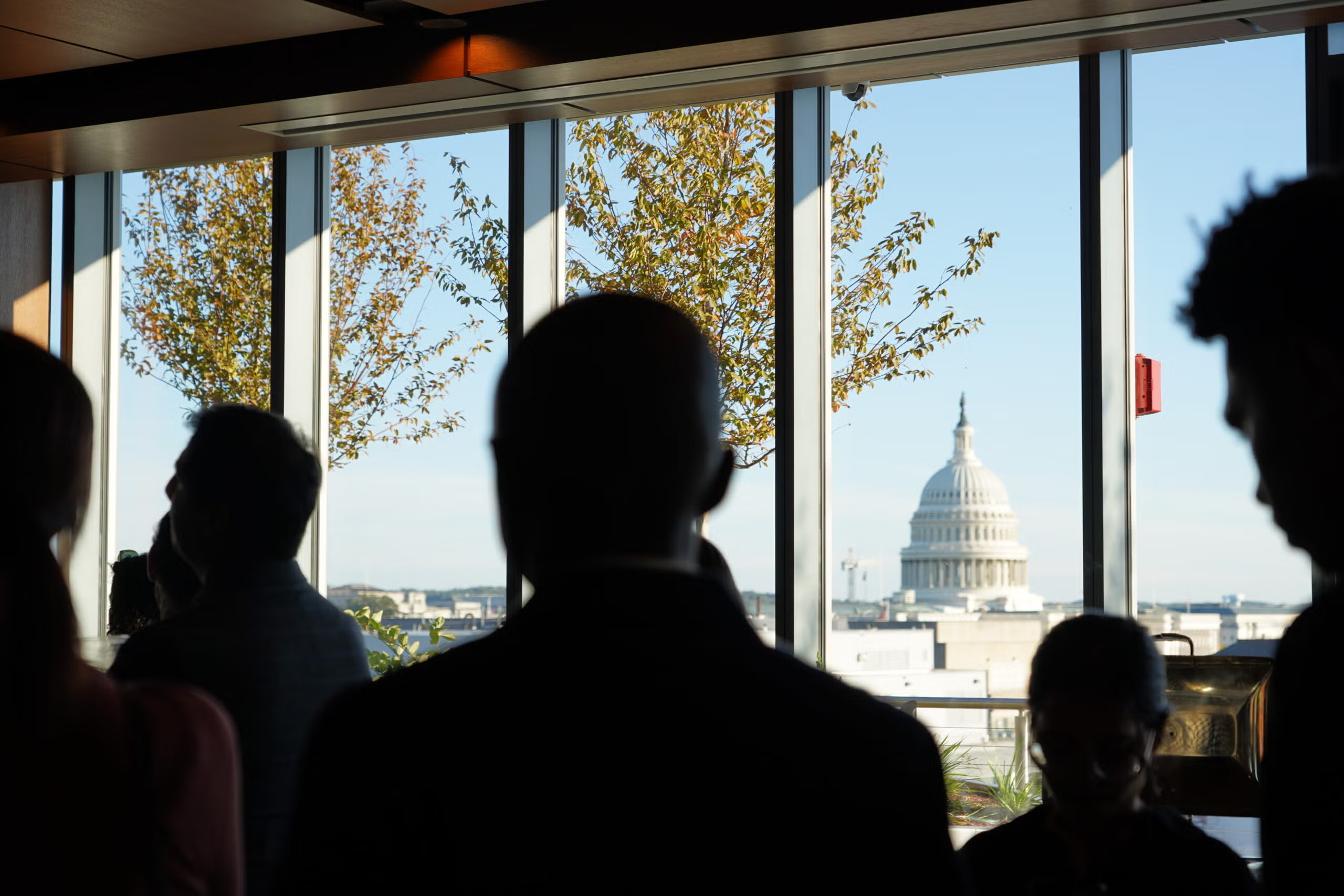
Georgetown CS lives at the crossroads of technology & society. Our students often apply computing to solve complex, real-world problems by pairing their technical expertise with Georgetown’s world-renowned strengths in international relations, governance, and the humanities.
Uniquely Georgetown Pairings
Georgetown CS can be paired with anything and everything. We have flexible course options that support deep connections to other disciplines. While we highlight a few here, these are just the tip of the iceberg. — CS + International Politics (BSFS): Analyzing global tech policy, cyber warfare, and digital diplomacy. — CS + Government: Leveraging data science to understand voting behaviors, campaign logistics, and democratic systems. — CS + Linguistics: Advancing natural language processing (NLP) and large language models with a deep understanding of human speech and writing structures.
Active Research & Policy Hubs
Long-term, active collaborations across the university give students direct access to cutting-edge research and policymaking:
— The Massive Data Institute (MDI): Collaborating on data-driven governance, civic tech, and algorithmic resource allocation. — The Center for Security and Emerging Technology (CSET): Working at the forefront of national security, tech policy, and global AI governance. — The MedStar-Georgetown Collaborative Center for Artificial Intelligence in Healthcare Research and Education (AI CoLab): Advancing and leading artificial intelligence (AI) research in bioinformatics, health informatics, and digital health infrastructure.
“Should We Build This?”
We don’t just ask, “Can we build this?” We train our students to ask, “Should we build this, and who does it impact?” In an era defined by rapid AI advancement, data privacy concerns, and algorithmic bias, ethics cannot be an afterthought. Driven by our Jesuit heritage, we treat ethical responsibility as a foundational computational and engineering requirement.
Ethical Responsibility
— Curriculum Integration: You won’t wait until a senior-year elective to talk about technology and ethical responsibility. Ethics is a core component of foundational courses in our department. You will debate data privacy while learning how to architect databases and analyze algorithmic fairness while training machine learning models. You will contemplate the tradeoff between the benefits of emerging technologies and the pitfalls, grappling with whether the benefits outweigh the harms. — Research for Good: Our faculty and students actively drive research in cryptographic privacy, trustworthy AI, security and safety, tech-for-good initiatives, and algorithmic transparency. We think deeply about how to develop, audit, and advance technology so it benefits society and improves outcomes for everyone.
Building Better, Unbiased Technology
We believe that diverse perspectives are a technical necessity, not just an ideal. To build technology that serves everyone, the rooms where technology is created must reflect everyone. Georgetown CS is deeply committed to creating inclusive pathways into tech.
Underrepresented Voices
Through structured mentorship programs, localized support systems, and active student groups such as the National Society of Black Engineers (NSBE) chapter, GU Women Coders, and ColorStack, we ensure underrepresented voices have the resources, community, and platform to lead the next generation of tech.
Community First
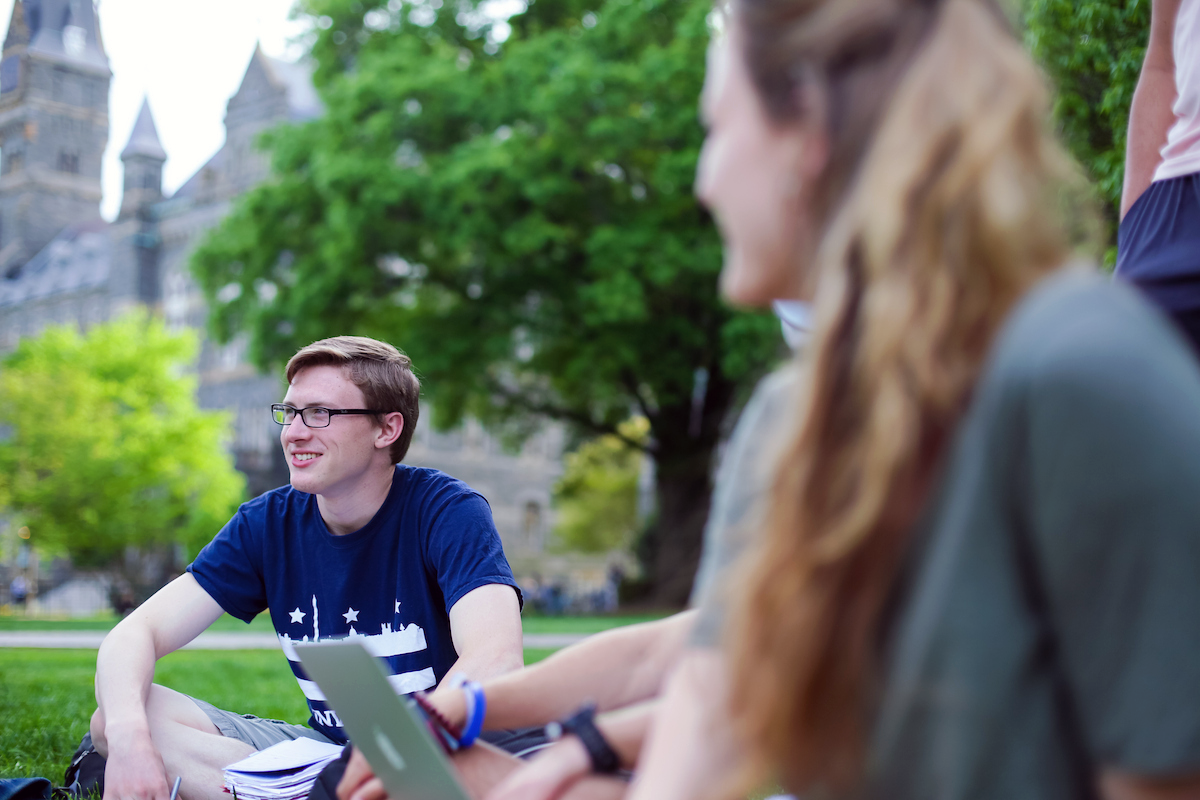
We are not a large department, nor do we aspire to be. We love our size! We are big enough to impact the field and small enough to stay connected to each other. At a time when in-person interactions are declining, we continue to connect our faculty, students, and alumni through our traditions and our new initiatives.
Attention From Our Faculty
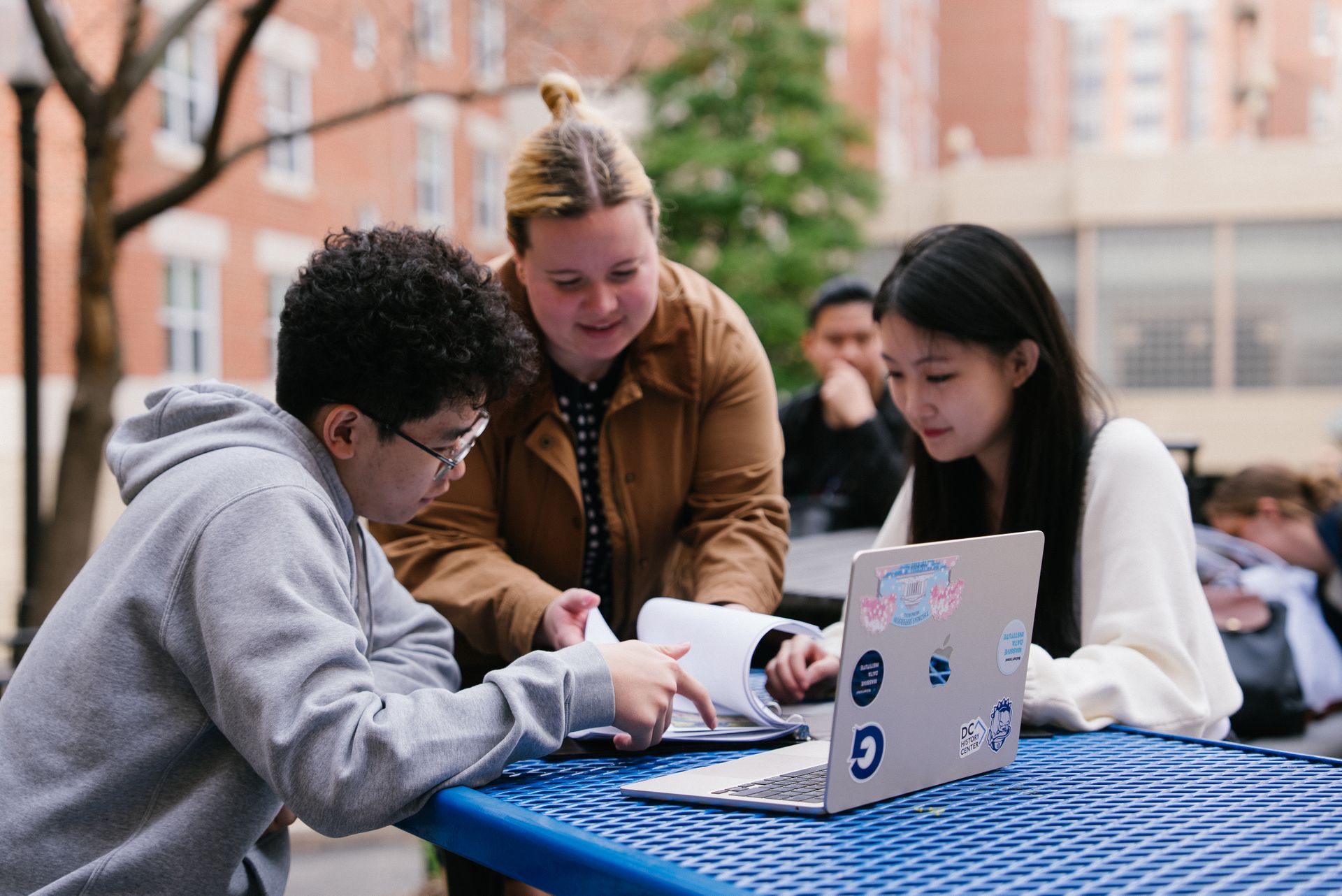
Our faculty are thought leaders in their areas of expertise, and they are committed to continuing to advance research within computer science and on large-scale cross-disciplinary projects. But they cannot do it alone—their students are a central part of their team, working on the difficult computer science problems of the day. At Georgetown CS, our faculty fully engage with graduate and undergraduate students. They spend a lot of time with each student in the classroom and outside the classroom, teaching them how to think like a computer scientist, conduct high-quality research, and mentoring them so they are qualified to pursue prestigious academic and industry opportunities during and after graduation.
Lifetime Student Connections
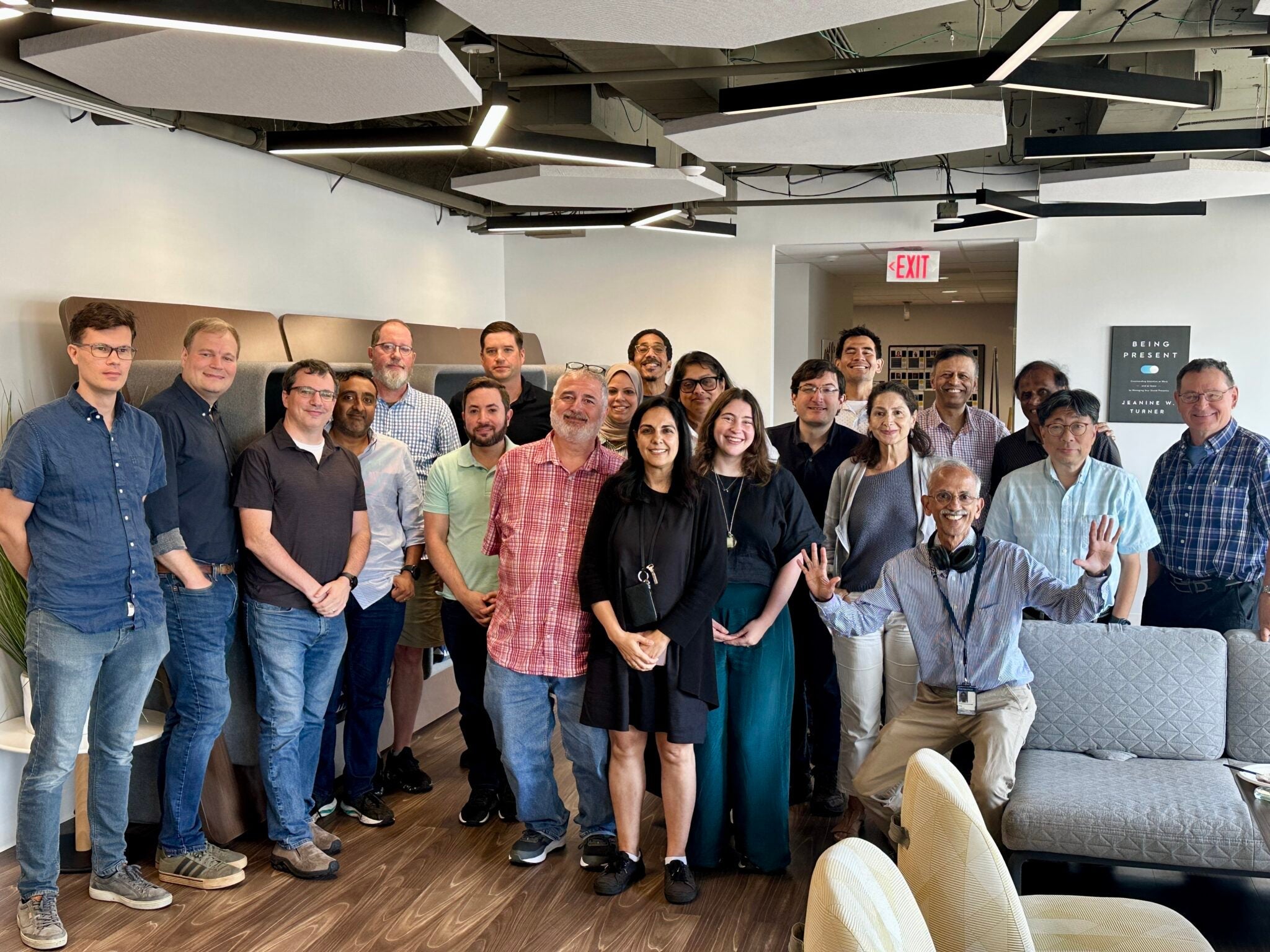
Our students are engaged and connected to the broader Georgetown community and the DC community. We have regular opportunities for engagement with other computer science students and faculty, including weekly Tea Times for our graduate students, multiple student presentation days each semester, and regular social events, including an annual picnic. You will also have the opportunity to engage with other students through clubs, tutoring opportunities, and on research teams. After graduation, many of our students remain connected to us, visiting during CS Networking Days, attending happy hours, and participating in panels and other department activities. Once you are in our department, you are part of our community for life.