Georgetown CS Alums Share Insights on Mastering the Tech Interview in the Age of AI
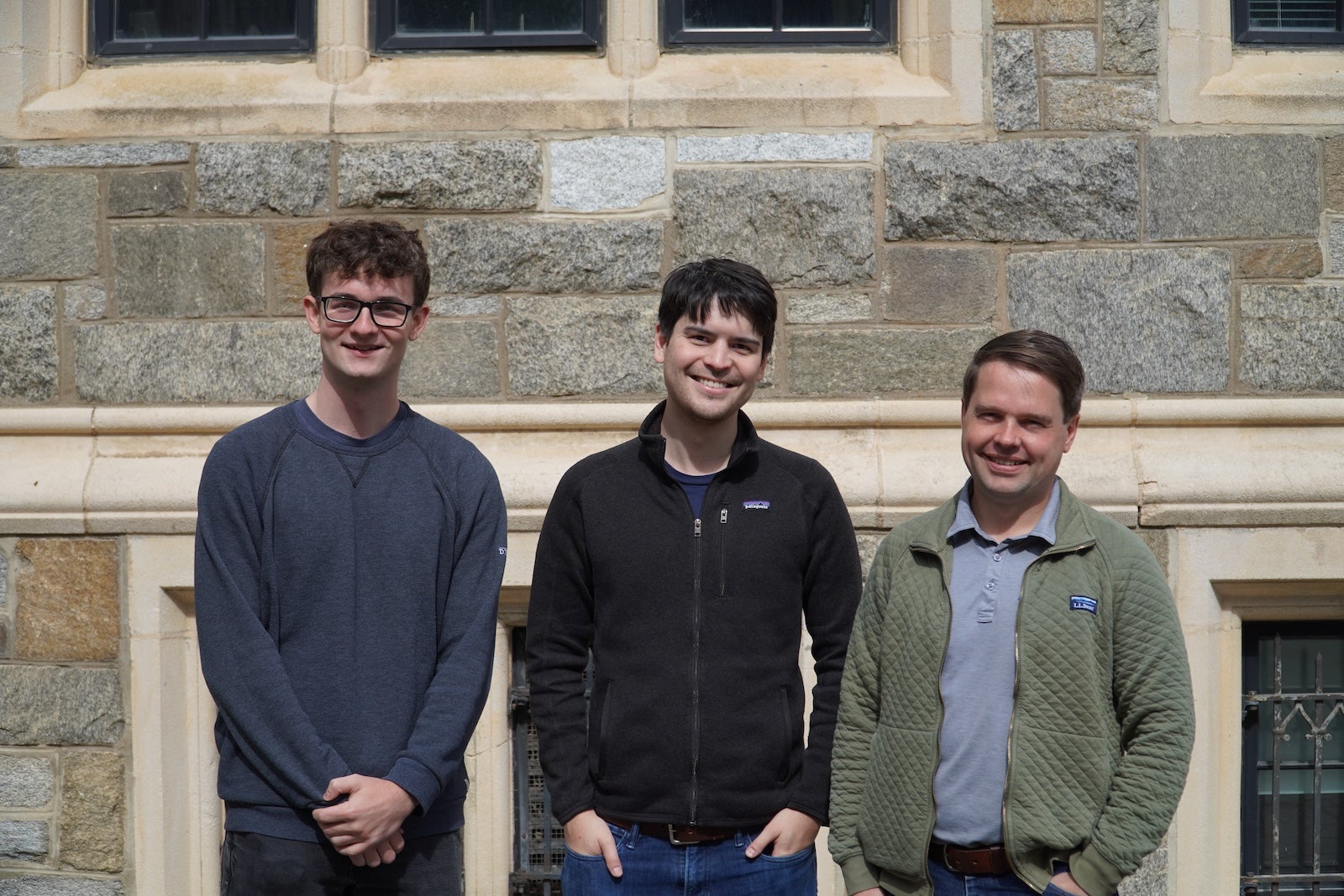
At the Department of CS Career Day held on October 10, 2025, three GU CS alums shared their insights and advice on technical jobs and interviewing in the AI era. The “Mastering the Tech Interview” panel featured Andrew Gamino-Cheong (BS CS and Government ‘15)—CTO and Co-Founder at Trustible; Reed Uhlik (BS CS and Economics ‘25)—software engineer at The D.E. Shaw Group; and Chris Wacek, (BA CS and Economics 2009; MS CS ‘13)—SVP Products and Technology Labs at ARCTOS. CS Department chair Lisa Singh moderated the discussion. Below are some of the main takeaways they shared.
Fundamentals Still Matter
The panelists agreed that while AI has brought efficiencies to certain aspects of software development, such as the need for rote memorization of syntax, it has not replaced the need for deep understanding of conceptual fundamentals. They emphasized that employers still value the ability to validate, troubleshoot, and communicate about technical decisions. Per Uhlik, “Dev Ops is debugging when something goes wrong. If I’m getting a 503 error, I have to understand why and what commands I can run to debug it. LLMs aren’t good at this—conceptual understanding is more important.”
Gamino-Cheong added that while AI can handle a lot of routine work, troubleshooting errors still requires human expertise: “If there’s even one bug, figuring out what it is is a special skill set.”
Resumes that Tell a Story
When the conversation turned to resumes and applications, Wacek offered blunt advice: “If I think [a resume was] written by AI, I’ll throw it in the trash.” The panelists urged students to make materials as human and specific as possible. Instead of including long lists of tools without context, applicants should describe real projects they’ve built—what they built, why they built it, and what they learned from it. Uhlik encouraged students to highlight personal projects that they’re most proud of as a way to demonstrate their curiosity and thought process: “If you can code, you can build whatever you like.”
Interviews as Conversations
Panelists urged students to treat interviews as problem-solving conversations rather than just knowledge tests. They emphasized that strong communication is essential so that interviewers can understand how candidates think, how they approach challenges, what they are curious about, and what motivates them. Wacek shared that he asks applicants to describe the software project that they are the most proud of—what it is, challenges experienced, and what they learned.
Beyond the Classroom
The panelists also highlighted the importance of learning opportunities outside of formal classwork—personal projects, leadership positions in clubs, and work experience. Serving as a TA role reinforces an understanding of fundamental concepts and strengthens communication skills. Work experience also signals a work ethic and comfort with responsibility.
Wacek recommended that students develop an end-to-end project in at least one programming language and understand how to take a project from concept to deployment. As Gamino-Cheong summarized, developers need to “understand that flow—how to get software into the world.”
Singh expressed appreciation for the panelists’ continued engagement with the department. “I am thrilled that our alumni come back and share their experiences. We are lucky to have former students who give back to the department.”